



日本語
English
繁體中文


- HOME
- Special Features
- 13 highlights to enjoy more "Bansenso" taught by staff
- Castle Town Stories
- 2025.08.11
13 highlights to enjoy more "Bansenso" taught by staff
The Matsui family made their fortune through trade in the Philippines.
Famous architecture with a rich international flavor
The cityscape of Ozu spreads out in front of you,
A leisurely view of the Hiji River flowing in the back.
Bansenso, which stands on the steep slope of the scenic spot,
While fusing traditional shoin-zukuri and sukiya-zukuri,
A one-of-a-kind space filled with the attention and credibility of the owner, the trader.
A single piece of Nanyang wood laid out in the hallway,
Oni tiles engraved with the owner's initials,
And to the side well from which the name is derived.
Combining the cutting-edge technology of the time and international sensibilities,
We will introduce the interior of a rare famous building.
A leisurely view of the Hiji River flowing in the back.
Bansenso, which stands on the steep slope of the scenic spot,
While fusing traditional shoin-zukuri and sukiya-zukuri,
A one-of-a-kind space filled with the attention and credibility of the owner, the trader.
A single piece of Nanyang wood laid out in the hallway,
Oni tiles engraved with the owner's initials,
And to the side well from which the name is derived.
Combining the cutting-edge technology of the time and international sensibilities,
We will introduce the interior of a rare famous building.
-
- "Bansenso"
- Facility information
- "K.M. Tile" - a symbol of the Matsui brothers' international perfection
- The balcony reflects the client's cutting-edge sensibility
- The "horizontal well" from which Bansenso originated
- Taisho glass: a unique and attractive texture
- The Lion Statue, the masterpiece of Shinyanagisawa ware
- Tanuki and Octopus: Wishing for Happiness
- The lavishly used "Ipir" floor
- Auspicious "Guardian Frog"
- Well water for daily use
- "Shochikubai in the Tea Room" where you can experience the culture of tea ceremony
- The ingenuity of shutter hardware to welcome guests
- The second-floor transom was intended to provide a relaxing space for guests.
- "Ladies First Culture" was rare in the Taisho era
"Bansenso"
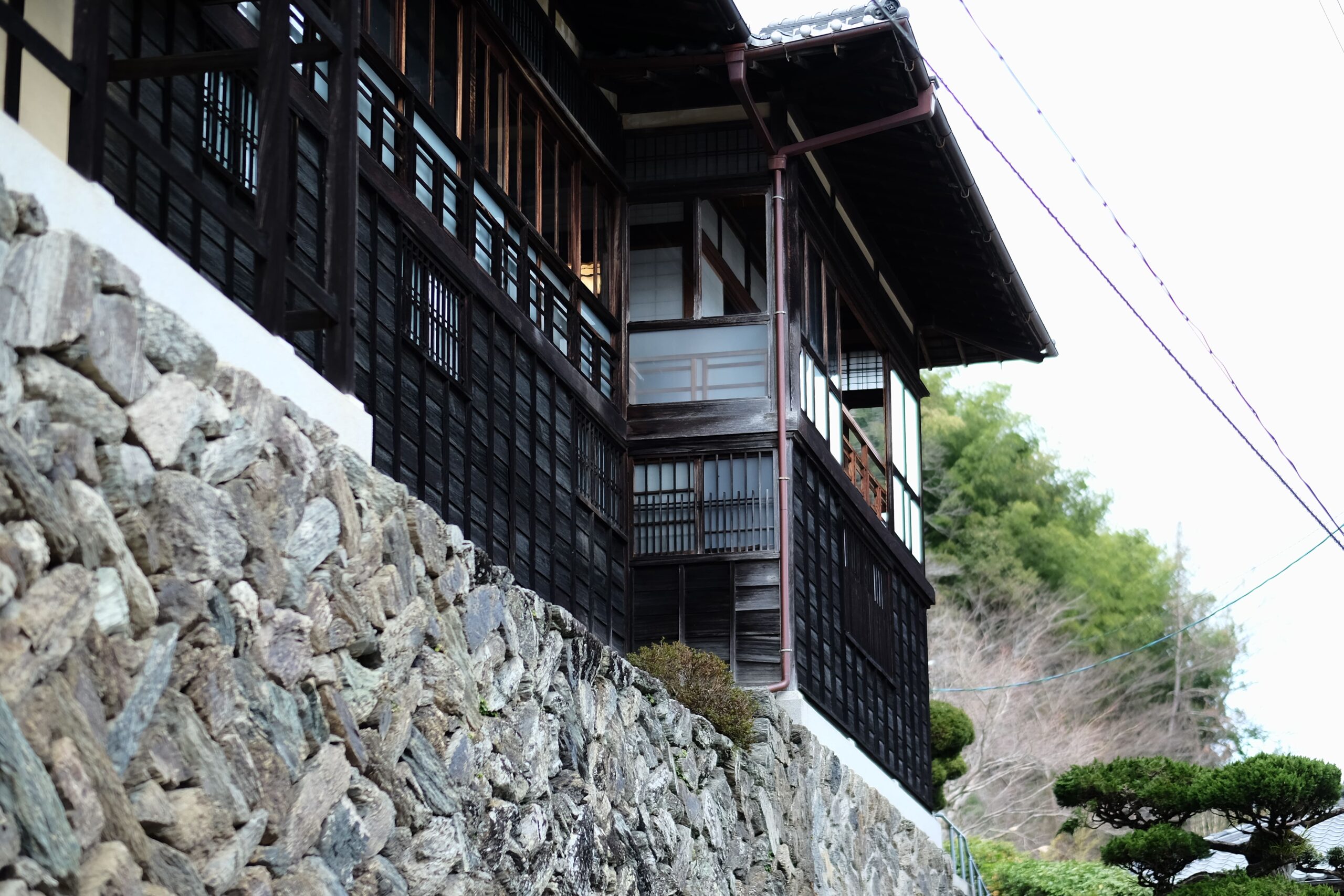
Bansenso (formerly Matsui Family Residence) was built by Mr. Denzaburo Matsui (older brother) and Mr. Kunigoro Matsui (younger brother), who ran the Osaka Bazaar, a department store for Japan immigrants in Manila, Philippines, and later made a fortune by running a trading company.
Mr. Denzaburo planned to build a villa in his hometown of Ozu, and Mr. Kunigoro, who inherited that will, completed it in Taisho 15 (1926).
Hiji River Located on a hill overlooking the rich natural scenery such as Garyubuchi, Mt.Tomisu, and Kameyama, which were called the best scenic spots, Nanyang wood imported from Southeast Asia is used as the material, and the balcony and oni tiles designed with the owner's initials "K. M", which are rare for Japan houses at the time, are used. It is a famous building of Ozu that can be seen everywhere with the international characteristics of a client who ran a trading business.
Mr. Denzaburo planned to build a villa in his hometown of Ozu, and Mr. Kunigoro, who inherited that will, completed it in Taisho 15 (1926).
Hiji River Located on a hill overlooking the rich natural scenery such as Garyubuchi, Mt.Tomisu, and Kameyama, which were called the best scenic spots, Nanyang wood imported from Southeast Asia is used as the material, and the balcony and oni tiles designed with the owner's initials "K. M", which are rare for Japan houses at the time, are used. It is a famous building of Ozu that can be seen everywhere with the international characteristics of a client who ran a trading business.
Facility information
■営業時間
9:00~17:00
■住所
愛媛県大洲市柚木317番地
■入館料
盤泉荘:大人550円、中学生以下220円
2施設共通券:大人880円、中学生以下330円
3施設共通券:大人1100円、中学生以下440円
※共通券は臥龍山荘、大洲城にてご利用いただけます。
■電話番号
0893-23-9156
9:00~17:00
■住所
愛媛県大洲市柚木317番地
■入館料
盤泉荘:大人550円、中学生以下220円
2施設共通券:大人880円、中学生以下330円
3施設共通券:大人1100円、中学生以下440円
※共通券は臥龍山荘、大洲城にてご利用いただけます。
■電話番号
0893-23-9156
"K.M. Onigawara" - a symbol of the Matsui brothers' international sensibility
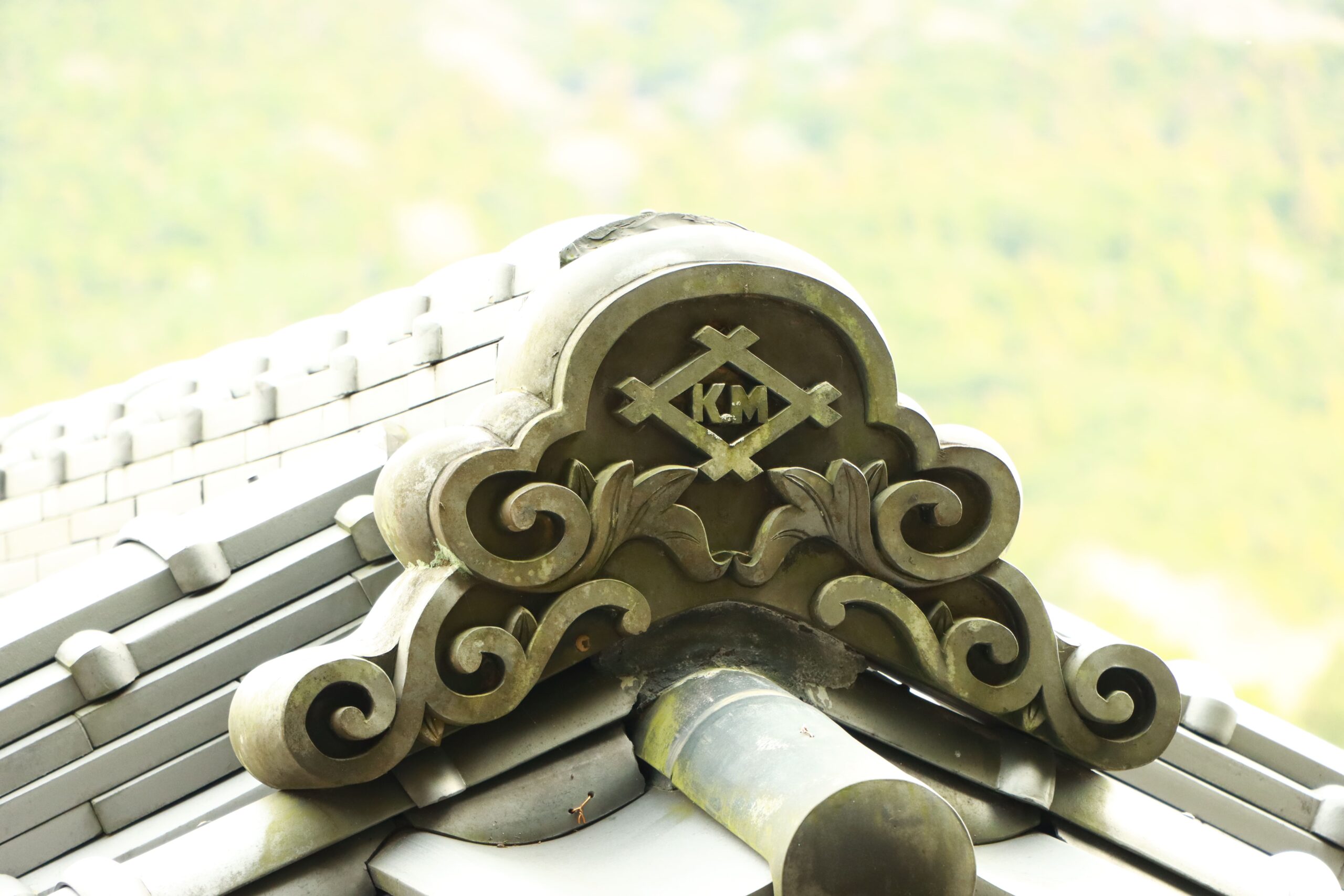
The Bansenso oni tile is made of oni tiles with the initials "K.M" of the client, Kunigoro Matsui, on the roof.
It was a design with a logo, which was rare at the time, and symbolized the Matsui brothers' spirit of challenge and international sensibilities.
It was a design with a logo, which was rare at the time, and symbolized the Matsui brothers' spirit of challenge and international sensibilities.
The second floor balcony reflects the client's cutting-edge sensibility
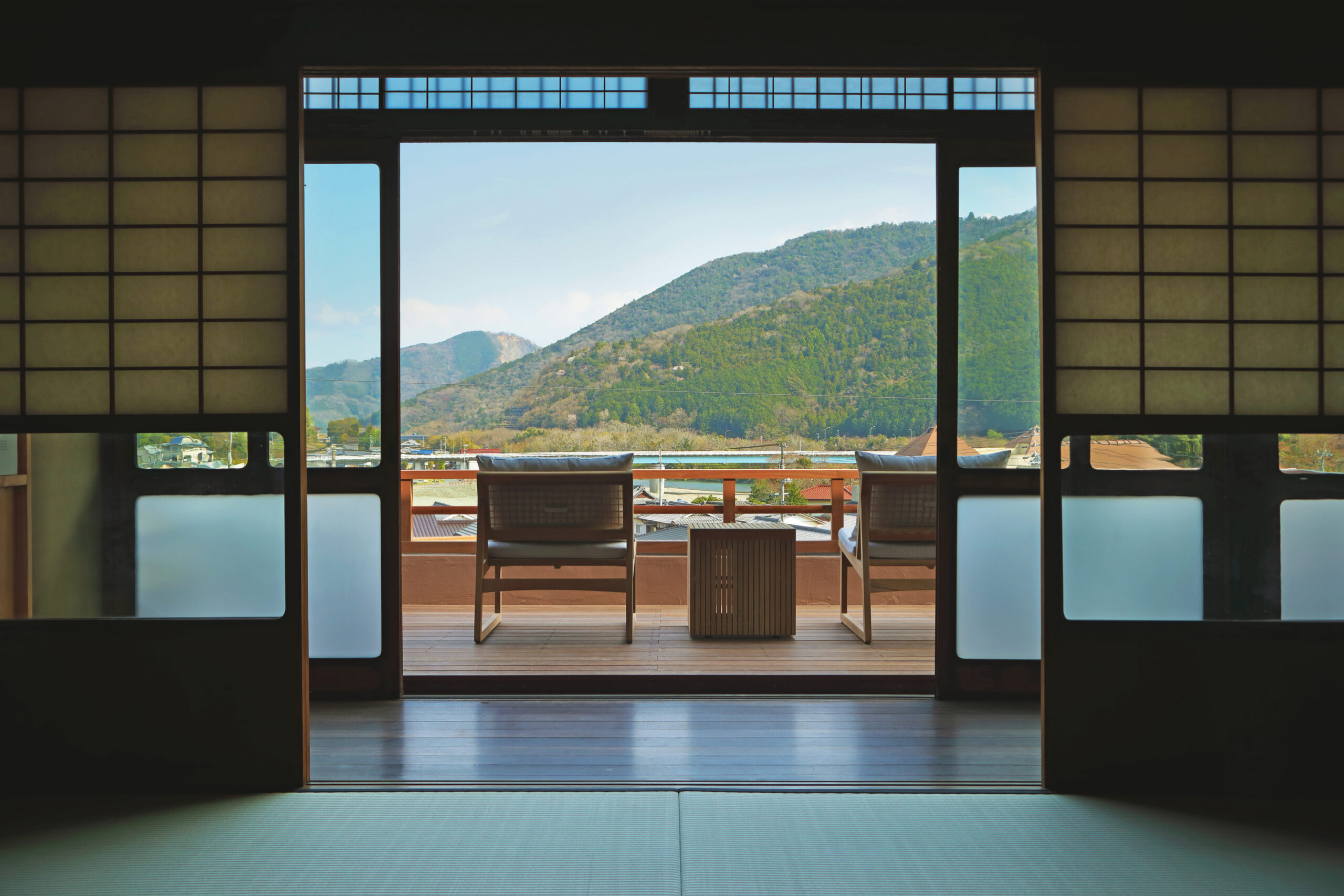
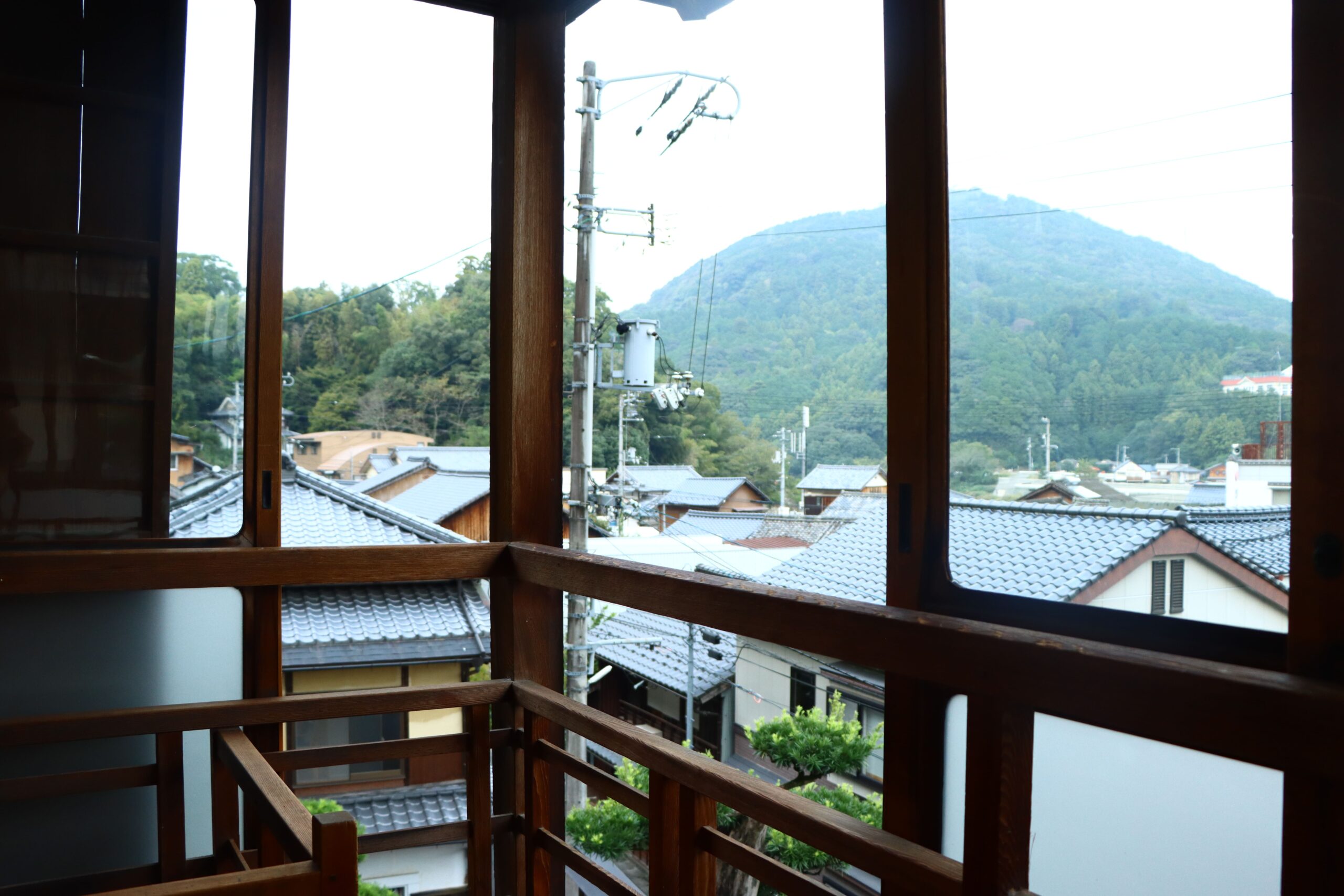
From the balcony on the second floor, you can enjoy a panoramic view of the mountains and waterside scenery such as Hiji River, Mt.Tomisu (Tomisuyama), and Kameyama.
The balcony is a rare design in Japan architecture during the Taisho period, and it is a space where you can feel the advanced sensibilities of the owner, Kunigoro Matsui.
The balcony is a rare design in Japan architecture during the Taisho period, and it is a space where you can feel the advanced sensibilities of the owner, Kunigoro Matsui.
Bansenso is the origin of "Yokoido"
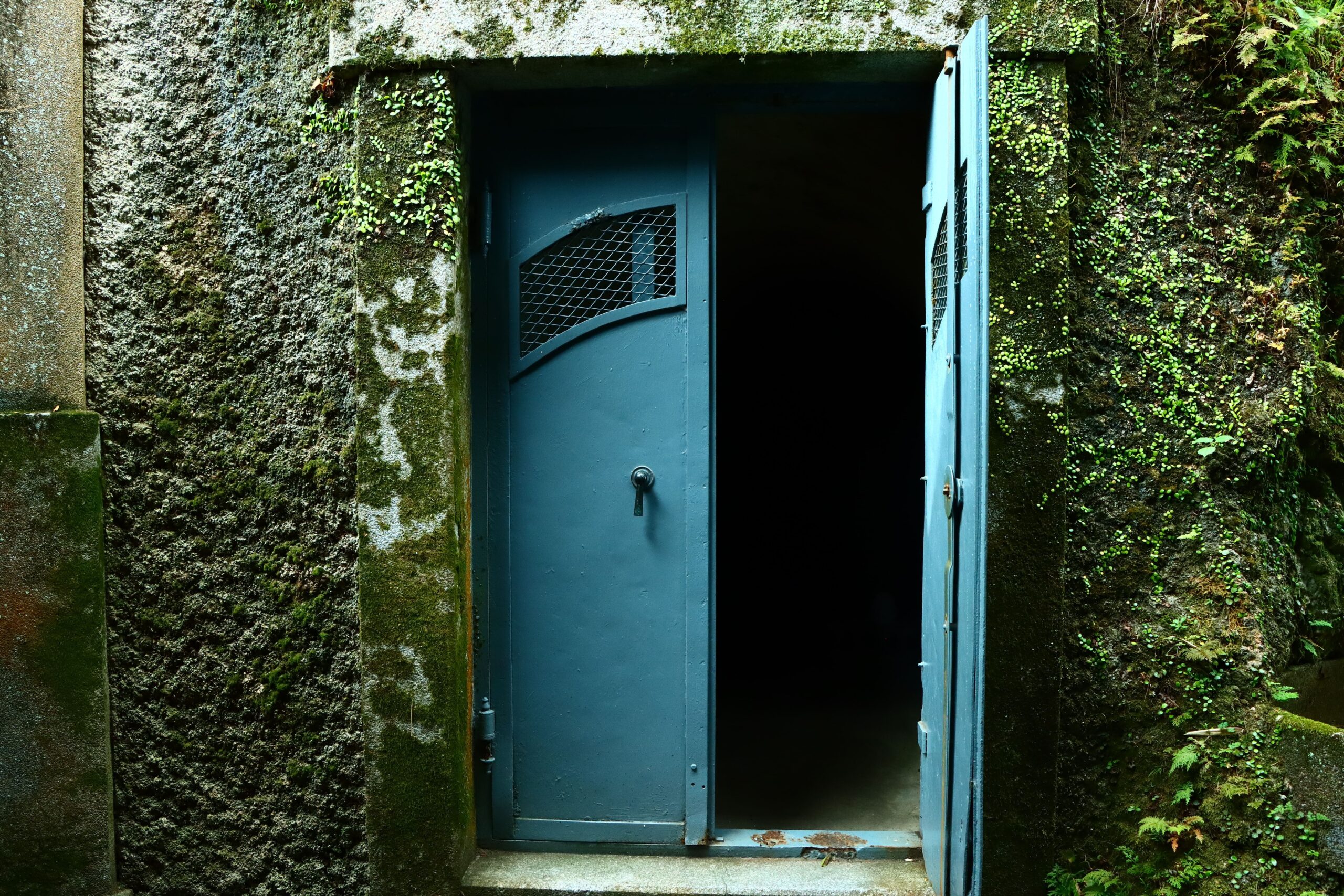
The horizontal well in the passage leading to the garden of the Bansenso is dug more than 50 meters to the back, and the water flowing in from the back of the well is sent to the kitchen cistern.
At that time, the water supply was not maintained, so it was developed to secure domestic water.
In addition, the phrase that the haiku artist Nishimoto Ichito recited when he saw this side well is the origin of the name "Bansenso".
At that time, the water supply was not maintained, so it was developed to secure domestic water.
In addition, the phrase that the haiku artist Nishimoto Ichito recited when he saw this side well is the origin of the name "Bansenso".
Taisho glass: a unique and attractive texture
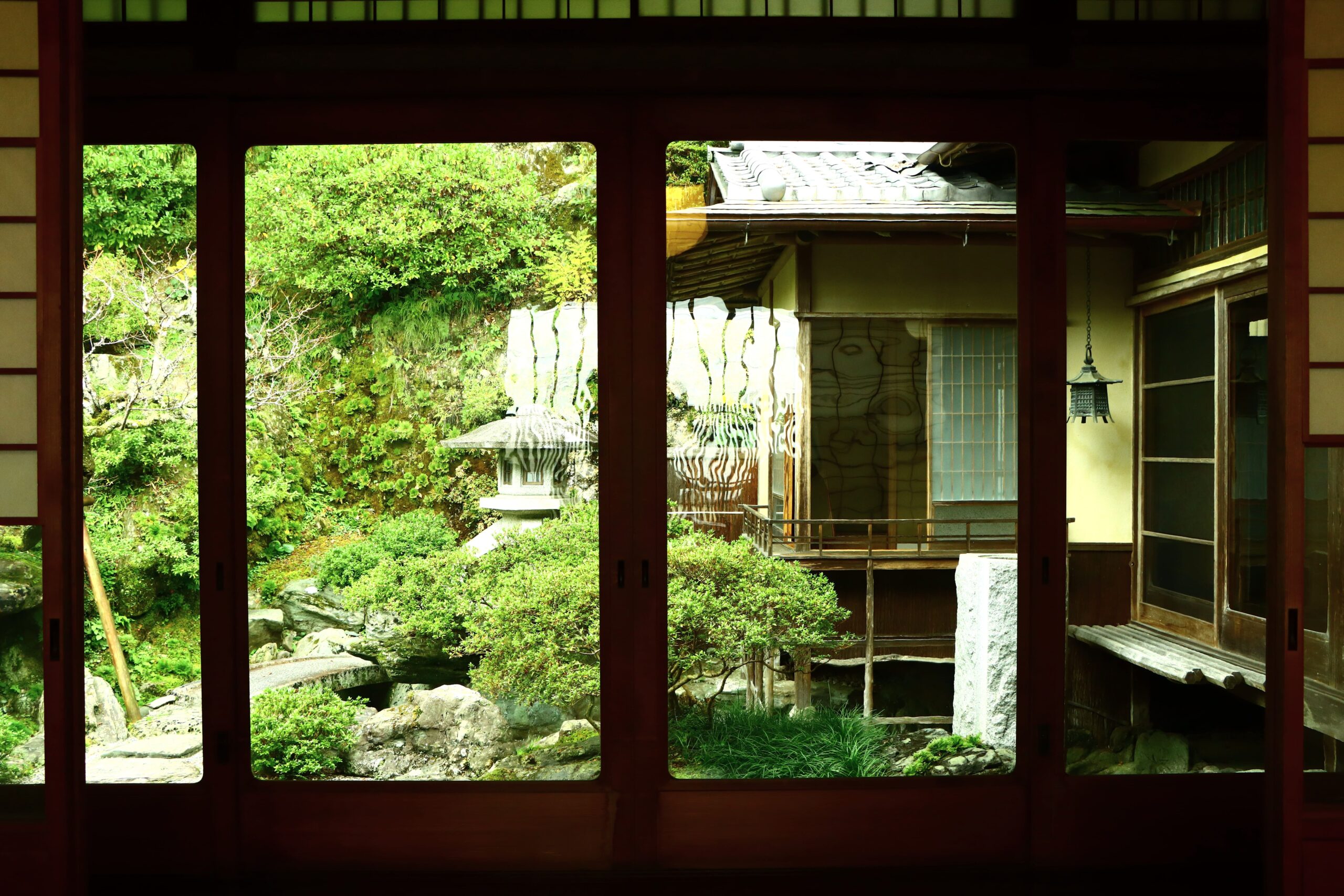
Taisho glass is a handmade glass that was actively made during the Taisho era.
At that time, mass production by machines was just beginning, and each one was blown by Craftsman hands.
Therefore, the surface has slight fluctuations and bubbles, and its unique texture allows light to pass through softly.
The somewhat nostalgic and warm glow still attracts many people.
At that time, mass production by machines was just beginning, and each one was blown by Craftsman hands.
Therefore, the surface has slight fluctuations and bubbles, and its unique texture allows light to pass through softly.
The somewhat nostalgic and warm glow still attracts many people.
The Lion Statue, a masterpiece of Shinyanagisawa ware
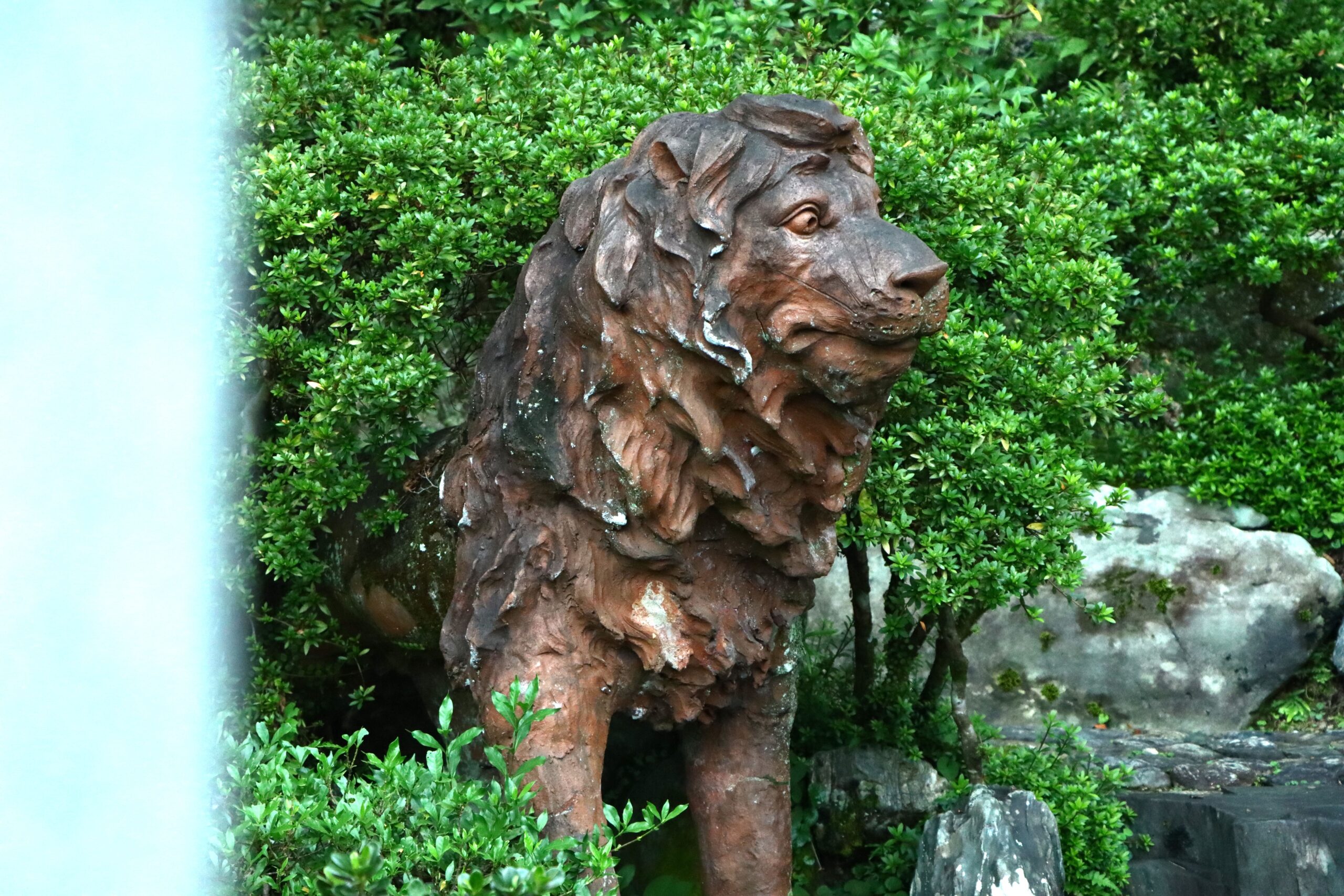
In the middle of the Edo period, by order of Yasutsune Kato, the third lord of the Ozu domain, Yanase ware began production at the foot of Yanase Mountain.
After that, Yanase ware was once abolished, but in Taisho 10, it was restored as "New Yanase ware" by Ozu volunteers.
Among them, this lion statue is said to be the best masterpiece of Shin-Yanase ware.
After that, Yanase ware was once abolished, but in Taisho 10, it was restored as "New Yanase ware" by Ozu volunteers.
Among them, this lion statue is said to be the best masterpiece of Shin-Yanase ware.
Tanuki and Octopus: Wishing for Happiness
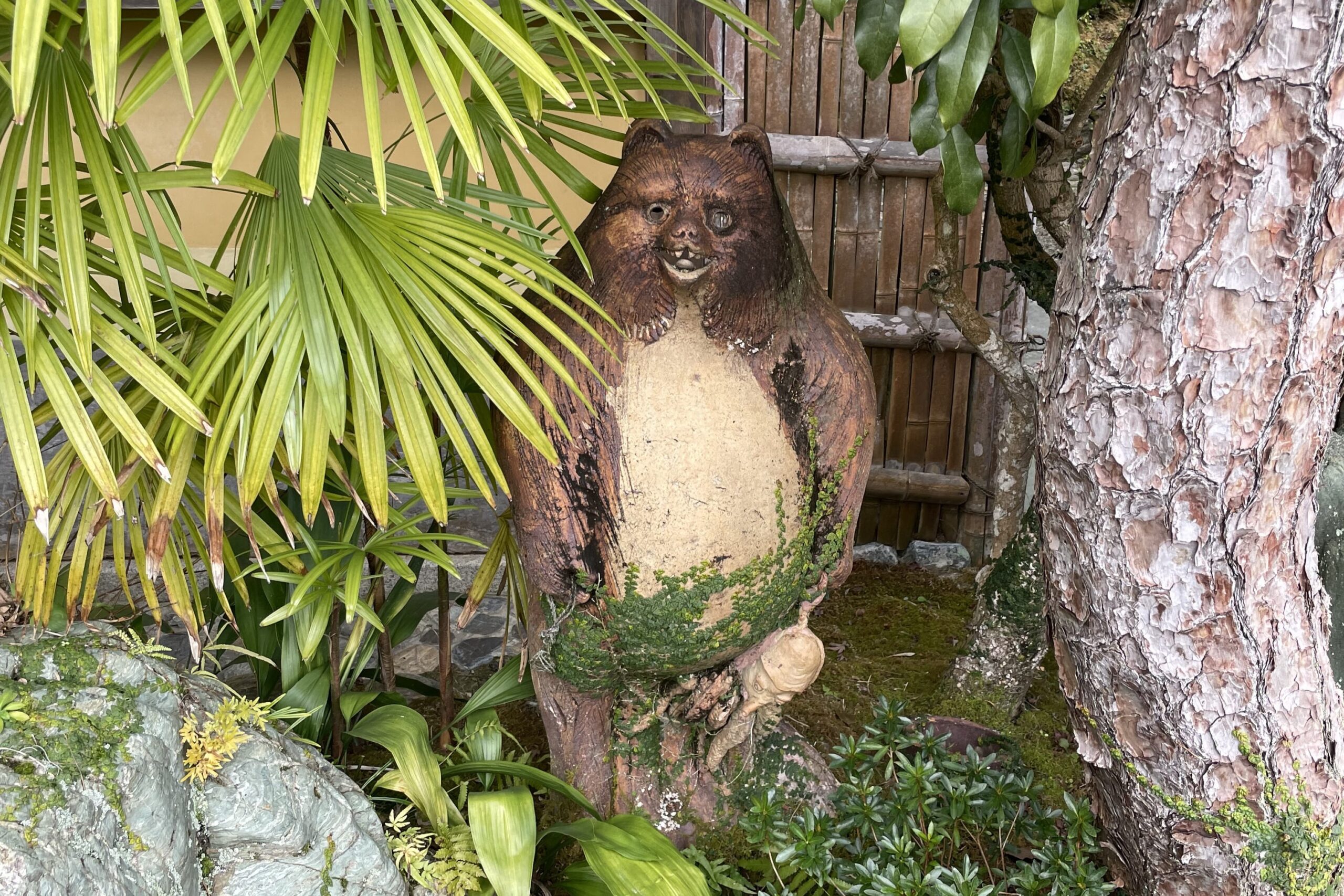
On the left side of the entrance of Bansenso, there is a statue of a "raccoon" holding an "octopus".
The raccoon dog is considered a good luck charm for prosperous business, family safety, and good luck from the word play on "surpassing others".
In addition, the octopus in the hands of the raccoon dog is connected to "happiness" and is a genden with the wish that you can grasp a lot of happiness.
The raccoon dog is considered a good luck charm for prosperous business, family safety, and good luck from the word play on "surpassing others".
In addition, the octopus in the hands of the raccoon dog is connected to "happiness" and is a genden with the wish that you can grasp a lot of happiness.
The lavishly used "Ipir floor"
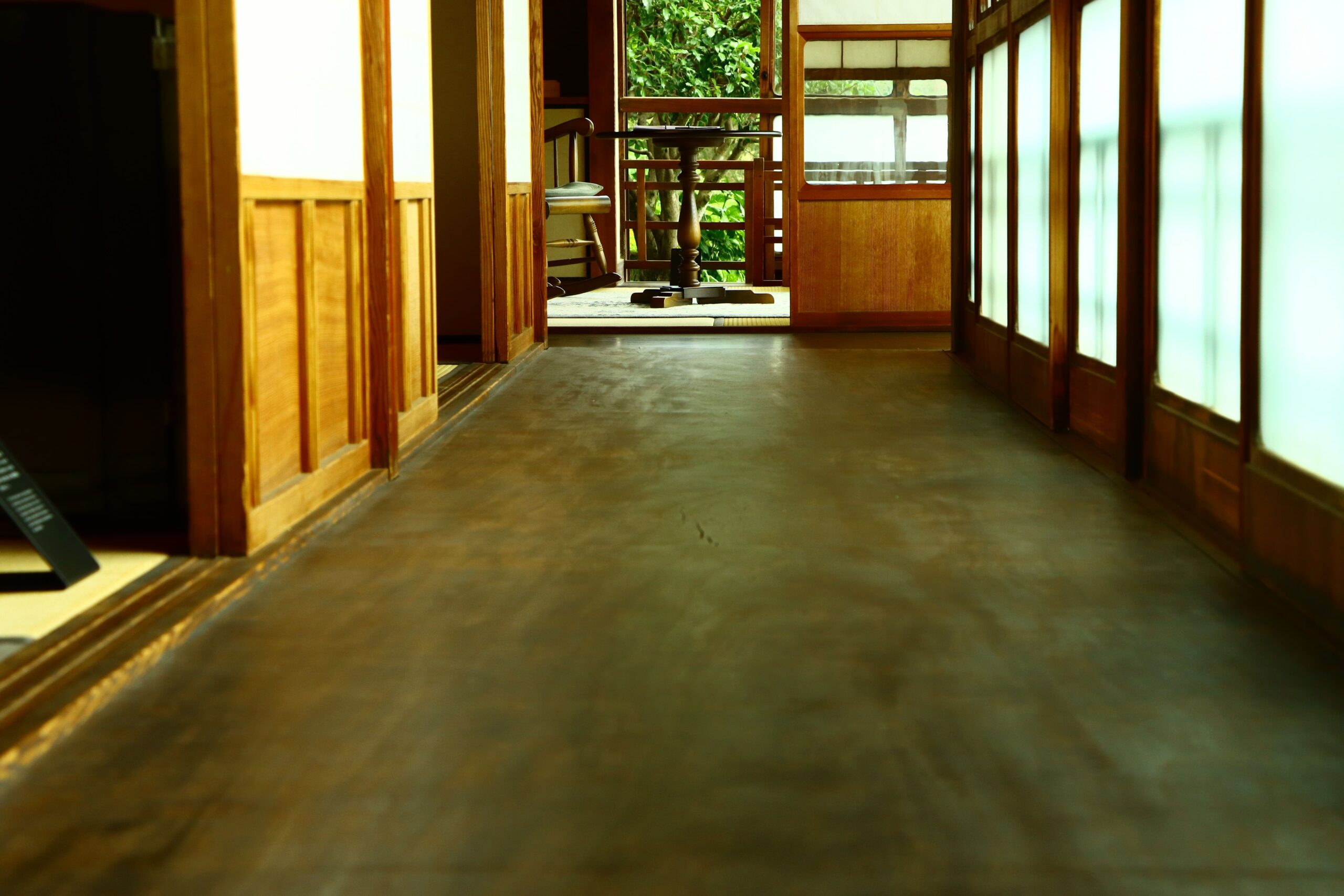
"Ipir" is a South Seas wood also known as Pacific ironwood.
The hallway is made up of nearly 20 extremely high-quality, rare single boards, each measuring up to 2.5m x 1m, lined up in a row, reminiscent of a red carpet inviting guests from the tatami room to the guest room and then to the tea room, and the Matsui brothers' thoughtfulness in welcoming their guests is evident in its design.
The hallway is made up of nearly 20 extremely high-quality, rare single boards, each measuring up to 2.5m x 1m, lined up in a row, reminiscent of a red carpet inviting guests from the tatami room to the guest room and then to the tea room, and the Matsui brothers' thoughtfulness in welcoming their guests is evident in its design.
Auspicious "Guardian Frog"
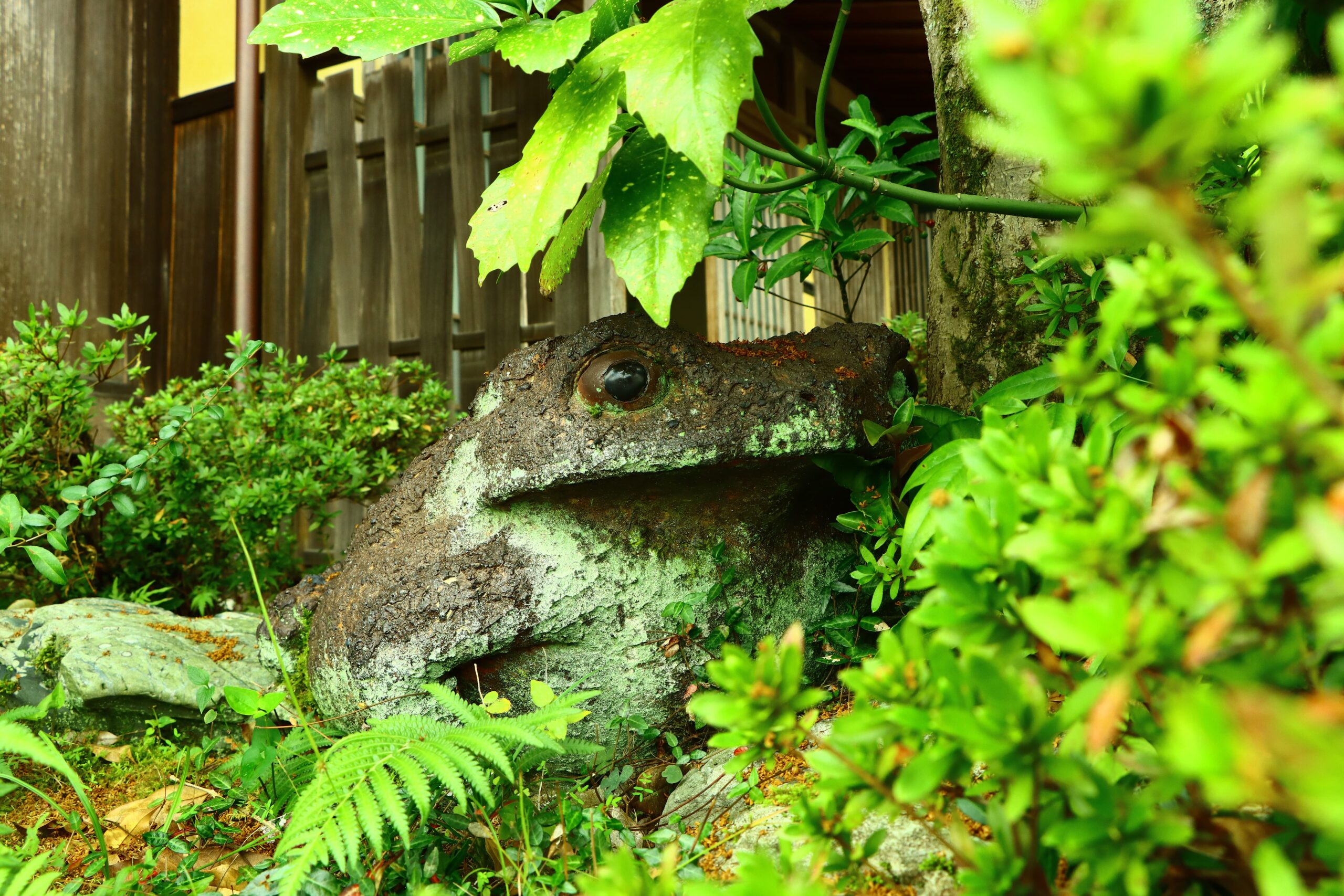
As you exit the entrance, there is a frog statue facing outward next to a tree on your right.
This is an auspicious guardian frog that brings good luck and wishes for the safe return of visitors.
This is an auspicious guardian frog that brings good luck and wishes for the safe return of visitors.
"Daily water" drawn from a well
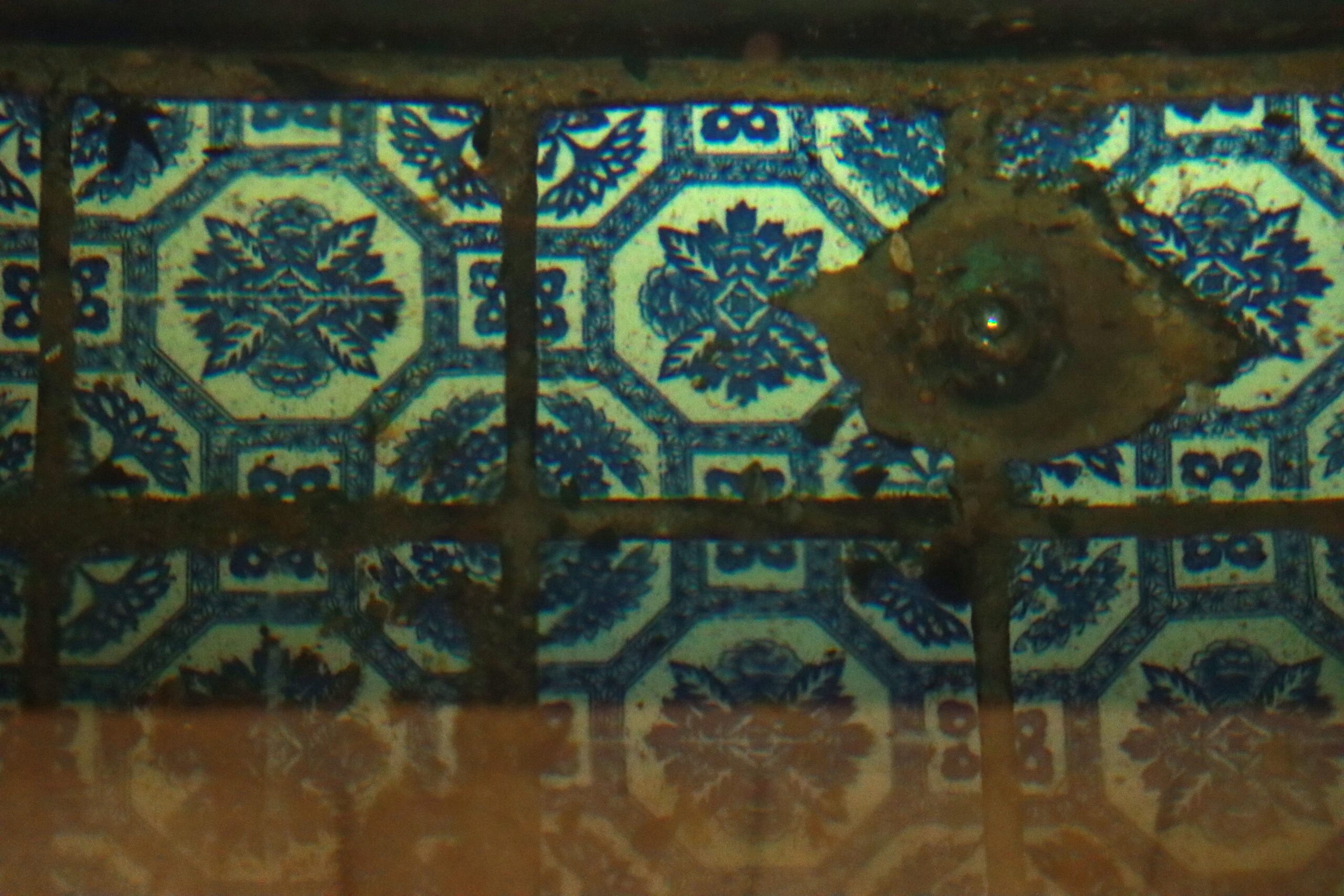
At that time, Bansenso used water seeping out of the bedrock in the back mountains as domestic water.
When guests came, they brewed coffee from the water seeping out of the bedrock of the back mountain and were said to be entertained.
These remnants can be seen in the passage leading to the backyard (near the side well).
When guests came, they brewed coffee from the water seeping out of the bedrock of the back mountain and were said to be entertained.
These remnants can be seen in the passage leading to the backyard (near the side well).
Experience the culture of tea ceremony at the "Shochikubai" teahouse
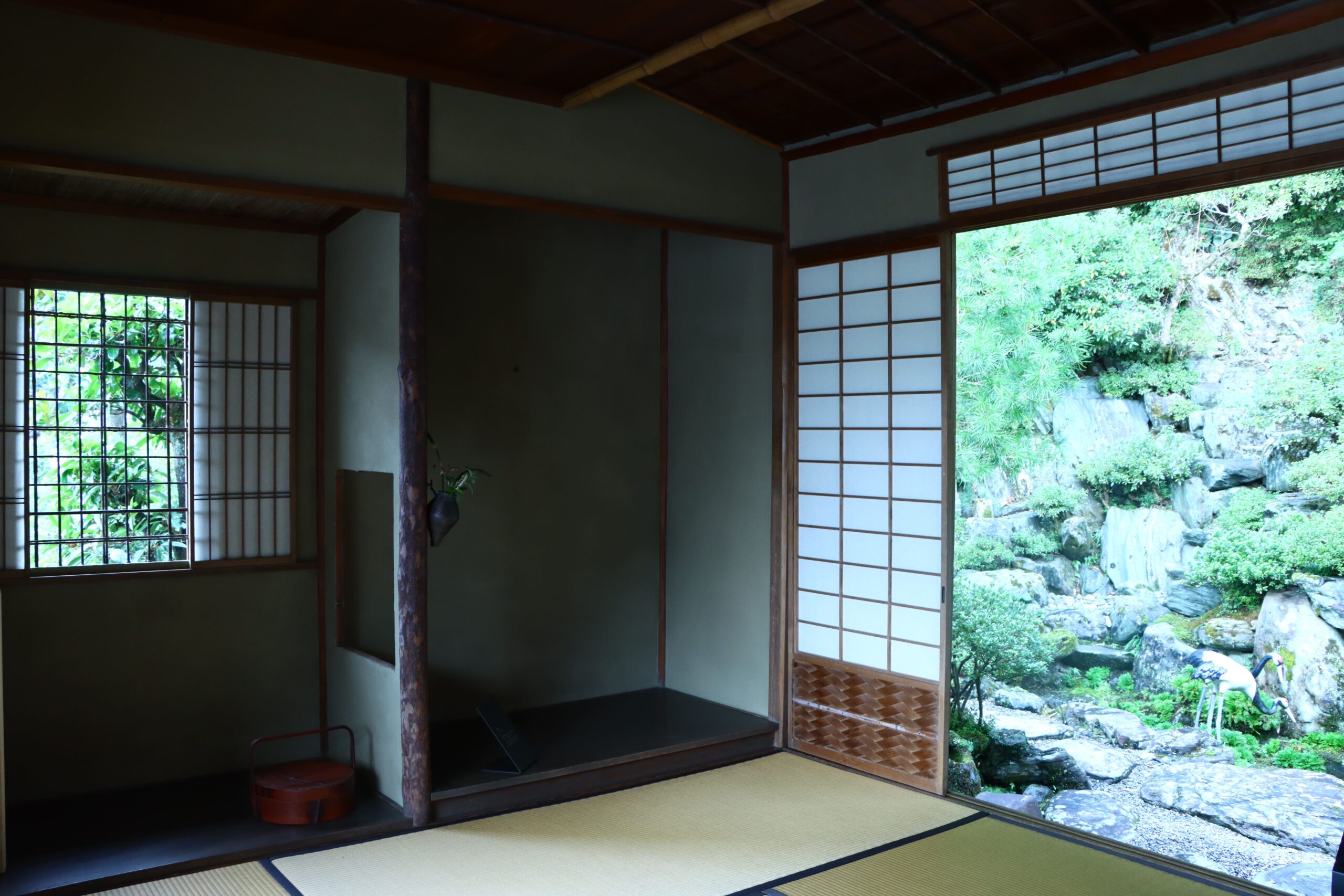
The alcove pillars are made of red pine with the bark still attached, the ceiling is made of bamboo, and plum trees are arranged in the garden.
By arranging the pine, bamboo, and plum trees, which have long been symbols of good fortune, the space exudes unchanging beauty throughout the four seasons and evokes the spirit of "purity, tranquility, and harmony" that is associated with the tea ceremony.
By arranging the pine, bamboo, and plum trees, which have long been symbols of good fortune, the space exudes unchanging beauty throughout the four seasons and evokes the spirit of "purity, tranquility, and harmony" that is associated with the tea ceremony.
The ingenuity of "storm door hardware" to welcome guests
The room on the left as you enter the entrance is a waiting room for customers.
To allow for a more beautiful view, the window frames are pillar-free, and the shutters can be stored on the left side to enhance the sense of openness.
In addition, metal fittings are attached to the corners to allow the shutters to be turned and stored.
To allow for a more beautiful view, the window frames are pillar-free, and the shutters can be stored on the left side to enhance the sense of openness.
In addition, metal fittings are attached to the corners to allow the shutters to be turned and stored.
The second-floor transom was intended to provide a relaxing space for guests.
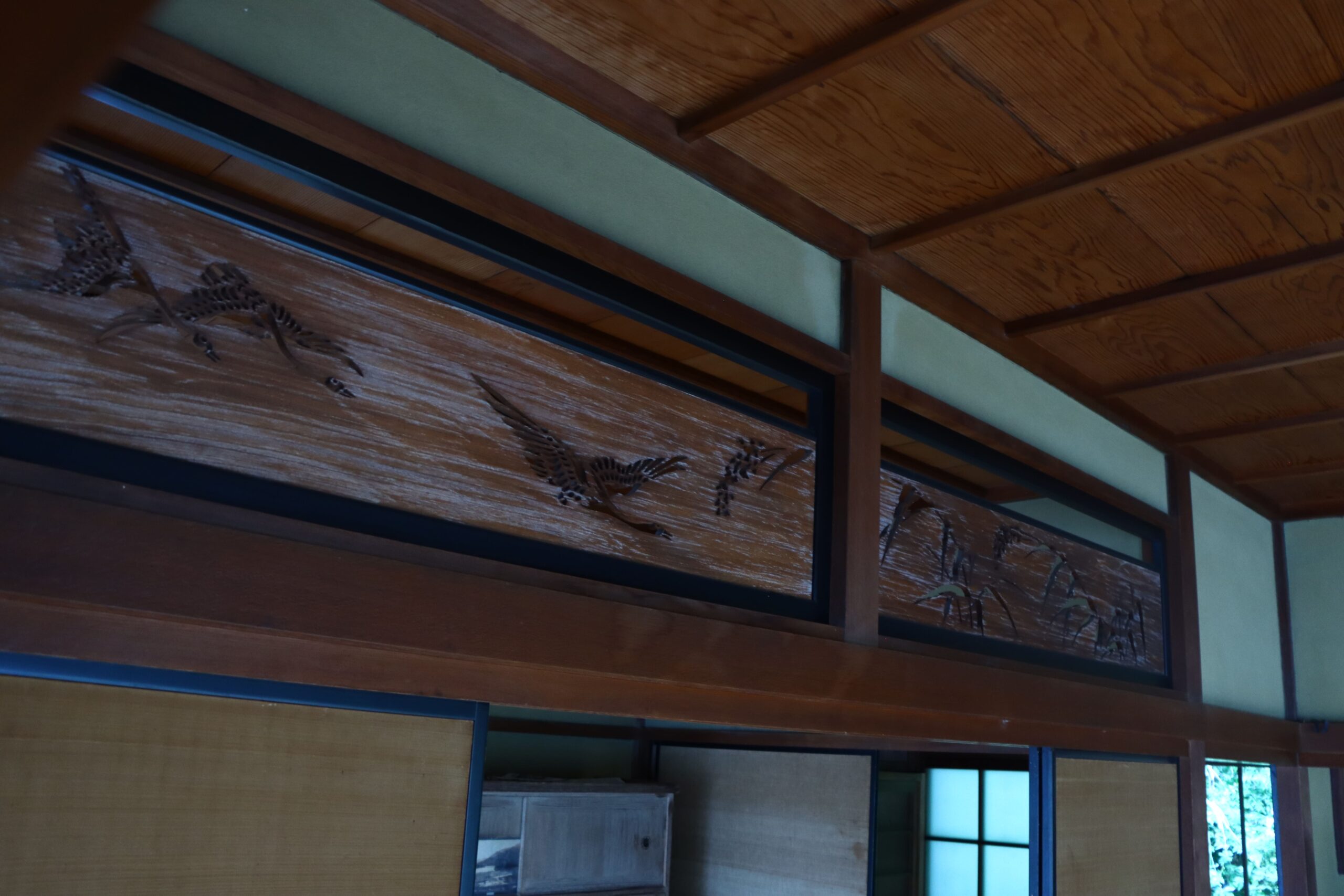
The transom is an openwork of paulownia to express "goose and reed ears".
The proverb "goose with reeds" comes from the legend of migratory geese adding reeds to their mouths to fly to rest during a long journey, meaning "well prepared" or "prepared and not cutting corners", with the wish that guests who visit Bansenso can relax and unwind.
The proverb "goose with reeds" comes from the legend of migratory geese adding reeds to their mouths to fly to rest during a long journey, meaning "well prepared" or "prepared and not cutting corners", with the wish that guests who visit Bansenso can relax and unwind.
"Ladies First Culture" was rare in the Taisho era
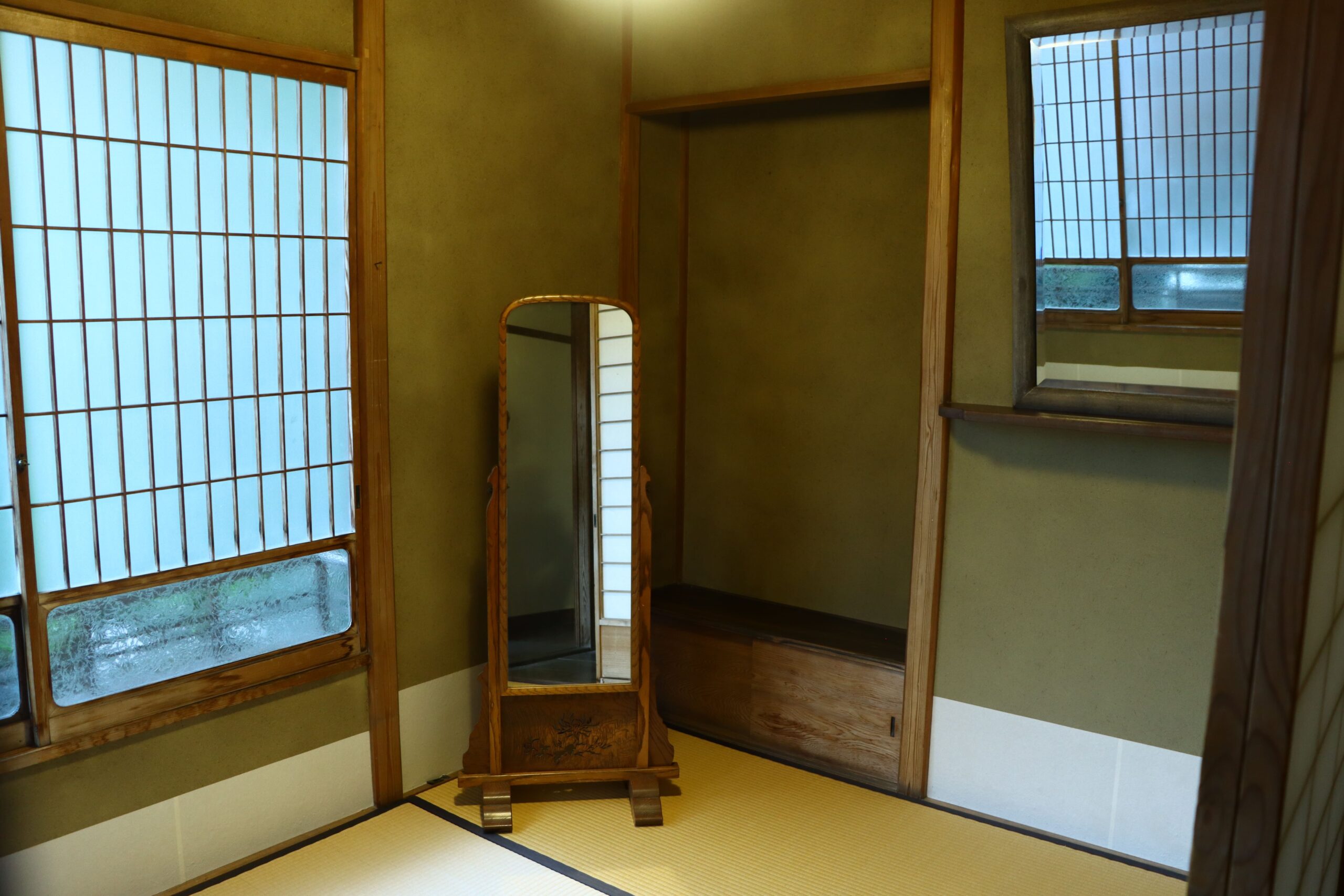
The dressing room in front of the bathroom is equipped with a mirror so that guests can get ready after bathing before appearing in front of guests, and the pillars are rounded and frosted glass prevents people from seeing inside, showing consideration for women (ladies first), which was rare during the Taisho period.
Stay up to date on event details and featured offerings via the official Instagram page.Back to Articles